Where to Stay in Antibes or Juan-les-Pins: Which Area to Pick?
Where to stay in Antibes and Juan-les-Pins? Old Antibes, La Salis, Cap d'Antibes, the Pinède or Juan's seafront: a local guide to choosing the right area for your trip and budget.
Where to stay in Antibes or Juan-les-Pins? For charm, ramparts and the market, choose Old Antibes; for a family week with your feet in the sand, La Salis and Le Ponteil; for peace and rocky coves, Cap d'Antibes; and for lively evenings, fine-sand beaches and jazz, the centre of Juan-les-Pins. The two resorts share a single town hall, yet they offer two very different holidays, ten minutes apart. Here is our area-by-area guide, written from the French Riviera.
Antibes and Juan-les-Pins: one town, two moods
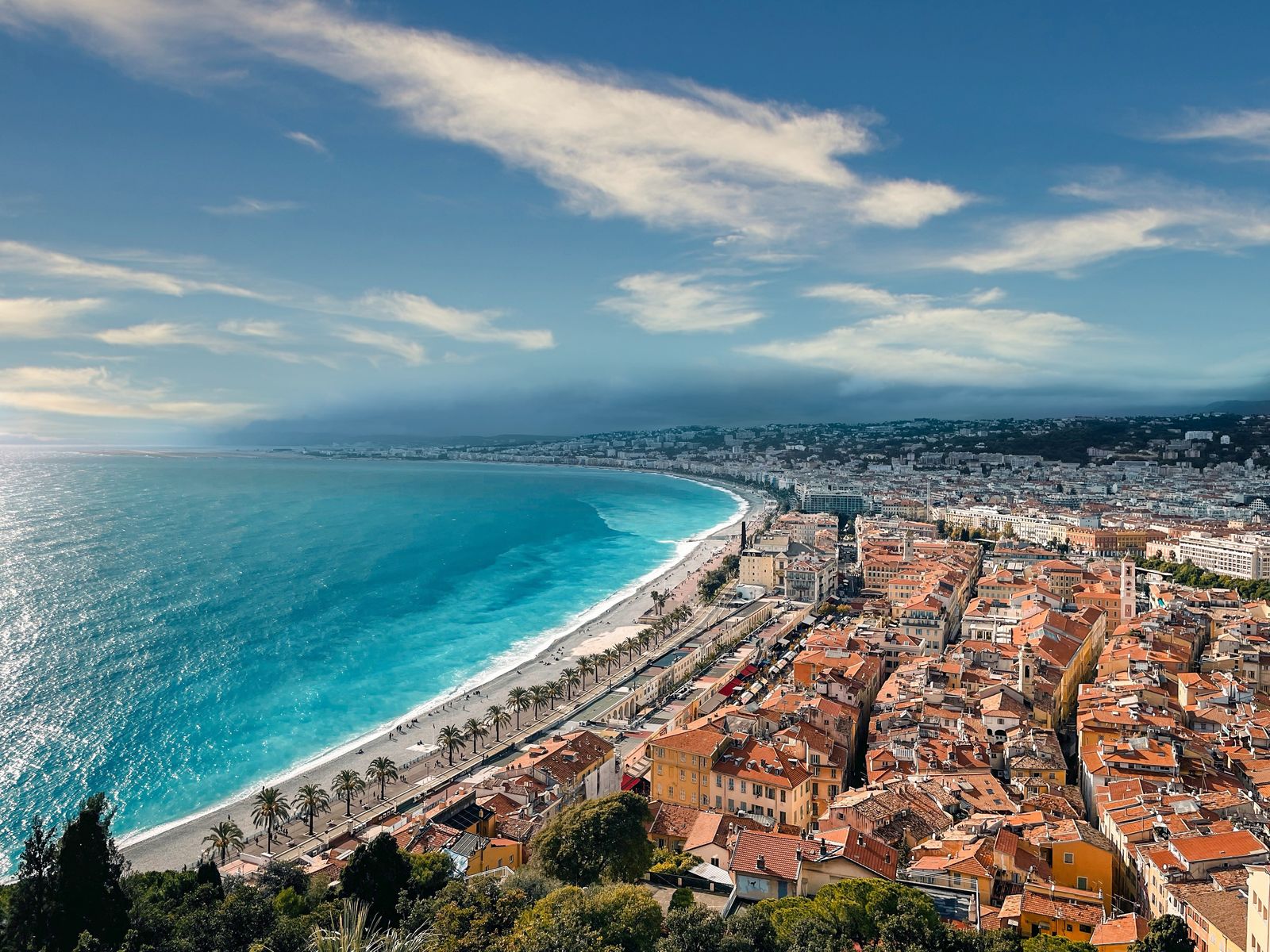
Antibes Juan-les-Pins covers an entire peninsula with 25 kilometres of coastline. On the eastern side, facing Nice and the Baie des Anges, sits Antibes: the walled old town, Port Vauban, Fort Carré, then the pebble beaches running towards Biot. To the south, Cap d'Antibes unrolls its pine woods, villas and coves. On the western side, facing Cannes and the Estérel hills, Juan-les-Pins lines up its sandy beaches, the Pinède Gould and its seafront terraces. Halfway between the two, the Salis and Ponteil area links the old town to the Cap with two long sandy beaches.
One practical detail changes everything: the town has two railway stations. Antibes is a TGV station where every train stops; Juan-les-Pins is served by regional trains only. From Antibes, Nice is around twenty minutes by train and Cannes about fifteen, which makes it an ideal base for exploring the Riviera without a car.
Which area of Antibes and Juan-les-Pins suits your trip?
| Area | Atmosphere | Best for | Summer nightly budget |
|---|---|---|---|
| Old Antibes & Port Vauban | Lanes, ramparts, Provençal market, yachts | First visit, couples, food lovers | High |
| Salis, Ponteil & Ilette | Sandy beaches, residential, quiet evenings | Families, week-long stays | Mid to high |
| Cap d'Antibes | Pine woods, villas, coves, coastal path | Special occasions, total calm, car welcome | Very high |
| Juan-les-Pins centre & Pinède | Fine-sand beaches, bars, casino, Jazz à Juan | Nightlife, young couples, jazz | High |
| West Juan-les-Pins (towards Golfe-Juan) | Public beaches, 1960s-70s blocks with terraces | Families, softer budgets, sea views | Mid |
| East Antibes (Fontonne, Fort Carré, La Brague) | Pebbles, local life, close to the motorway | Trips by car, Sophia Antipolis, tight budgets | Moderate |
Indicative guide based on our local knowledge and portfolio — Be My Guest, 2026. Rates vary widely with the season and events.
Old Antibes and Port Vauban: the historic heart
This is the Antibes people come for: narrow cobbled lanes packed behind the ramparts, ochre façades, shaded little squares and, at the end of every street, the Mediterranean. The Provençal market on Cours Masséna is its centre of gravity. Under the covered hall, around fifty producers set up every morning from 6am to 1pm — daily in June, July and August (until 1.45pm in high summer), Tuesday to Sunday the rest of the year. Stay nearby and you'll soon be buying fish, cheese and flowers before breakfast.
Above the market, the Château Grimaldi houses the Picasso Museum, the first museum in the world devoted to the artist, who set up his studio here in autumn 1946 and left the town 23 paintings and 44 drawings. Its sculpture terrace overlooking the sea is one of the finest views in town. The museum opens every day except Monday. Below it, the small Gravette beach, sheltered by the ramparts, is the neighbourhood's town beach, protected from wind and swell.
Port Vauban, just to the north, is Europe's largest marina, and the so-called billionaires' quay alone justifies the stroll to Fort Carré. The downside of this area: apartments are old, sometimes without a lift, and the lanes stay lively late in summer. Light sleepers should ask for a courtyard-facing address.
Salis, Ponteil and Ilette: the family choice
Leaving the old town southwards, Boulevard James Wyllie runs along two long sandy beaches, Le Ponteil then La Salis, ending at the little Ilette cove facing the ramparts. The water is shallow, which makes these the go-to beaches for young children; they are supervised in season, equipped with showers and toilets, and La Salis has accessible facilities for people with reduced mobility as well as a sailing school.
The area behind the beaches is residential and quiet in the evening, with handsome balconied buildings and a few villas. The Provençal market is a fifteen-minute walk along the seafront, and the most famous photograph of Antibes — the old town with the snow-capped Alps behind — is taken precisely from La Salis. For a family week, this is our favourite area, and the one we recommend most often on our page dedicated to holiday rentals in Antibes.
Cap d'Antibes: discreet luxury and coves
The Cap is another world. Pine woods, stone walls, Belle Époque villas hidden behind umbrella pines, the Garoupe lighthouse and sanctuary up on the plateau, and all around, rocky coves where people arrive with mask and snorkel. The coastal path, known as the Tirepoil path, is its jewel: a 5-kilometre loop starting from the Garoupe beach car park, allow two hours, proper shoes essential, closed in bad weather. It passes Villa Eilenroc and the Château de la Croë, with the Baie des Anges on one side and the Lérins Islands on the other.
Staying on the Cap means choosing silence and nature, at the cost of two constraints: the highest rates in town, and the near-necessity of a car (or an electric bike) to reach the shops. For a stay as a couple or a milestone birthday, a villa with pool on the Cap remains the Riviera's address of exception.
Juan-les-Pins: sand, terraces and jazz
Juan-les-Pins was born in the 1920s for parties, and it has stayed true to itself. Its centre revolves around the Pinède Gould, home every July to Jazz à Juan, Europe's oldest jazz festival, founded in 1960. All around: the casino, the shops, the ice-cream parlours and, above all, a succession of fine-sand beaches — private ones with sunbeds and restaurants, public ones with lifeguard posts, showers and toilets — stretching from the centre to the Golfe-Juan boundary.
Staying in central Juan means doing everything on foot, beach included, and enjoying lively evenings that run late in summer. It also means accepting seafront noise in July and August: check which way the apartment faces. Further west, towards Golfe-Juan, the 1960s and 70s buildings offer large sea-facing terraces at gentler rates, with the same public beaches at the bottom of the road. For a family that wants the sand without the nightlife, it is an excellent compromise, detailed on our page for holiday rentals in Juan-les-Pins.
East Antibes: local life on a managed budget
On the other side of Fort Carré, heading towards Biot, the coast becomes one long pebble beach — pebbles carried down by the Var river — along the Fontonne and La Brague districts. The water is deep right from the shore, so cooler, and the beaches are supervised in summer. Accommodation here is more recent, often with parking, and noticeably more affordable than the centre. It is the natural choice if you are working at Sophia Antipolis (free Envibus buses on lines A and B), travelling by car, or looking for a base from which to roam between Nice and Cannes without paying old-town prices.
Where to swim in Antibes and Juan-les-Pins?
Sand or pebbles is the first question to ask, and the answer depends on which side of the peninsula you are on. On the Antibes side, La Gravette, Le Ponteil and La Salis are sandy, sheltered and shallow; east of Fort Carré it is pebbles and deep water. On the Juan-les-Pins side, the whole seafront is fine sand, with supervised public beaches between the private concessions. On the Cap, finally, the coves of the southern and western shores are the most beautiful, but most are unsupervised: take care with children. The Town of Antibes publishes the complete list of beaches as open data, with their management type and facilities, including disabled access.
When to come, and when to book?
Antibes Juan-les-Pins runs on two seasons. The beach summer, from June to September, peaking in July around Jazz à Juan, when apartments in central Juan are booked months ahead. And, all year round, the business calendar of Sophia Antipolis and the Cannes conventions: during the Cannes Film Festival, MIPIM or Cannes Lions, Antibes and Juan-les-Pins, a quarter of an hour away by train, are the smartest fallback for professionals. Our guide to the major French Riviera events lists every date worth planning around.
For a pure holiday, aim for June or September: warm sea, a market you can breathe in, the Tirepoil path without the crowds, softer rates. Autumn and spring, with their mild days, are the seasons for walkers and museum-goers.
Apartment or hotel: which to choose here?
For a night or two, a hotel remains practical. Beyond three nights, an apartment changes the nature of the trip, especially in Antibes: a kitchen to make the most of the Provençal market, a terrace for the evening apéritif, a living room to gather in, and a far lower cost per person for a family. At Be My Guest, we manage around fifty properties on the French Riviera, with a guest rating of 4.8/5 over the past five months and more than 10,000 guests welcomed. Every apartment is visited, prepared and maintained by our local team, with hotel-quality linen and assistance available seven days a week. Browse our rentals to find your address — and book directly, with no platform fees. Still torn between neighbouring resorts? Our guides to where to stay in Cannes and the best areas to stay in Nice will help you decide.
Official sources
- Antibes Juan-les-Pins Tourist Office — The beaches (sand and pebble beaches, supervision, facilities, disabled access, the Cap's coves)
- Antibes Juan-les-Pins Tourist Office — The Tirepoil footpath (start point, distance, duration and closure conditions of the coastal path)
- Antibes Juan-les-Pins Tourist Office — Picasso Museum (history of Château Grimaldi, collections, opening hours)
- Antibes Juan-les-Pins Tourist Office — Bus, trains, bikes, taxis (Antibes and Juan-les-Pins stations, Envibus network, free shuttles, airport taxi fare)
- Côte d'Azur France — Antibes Provençal market (days and hours of the Cours Masséna market, season by season)
- data.gouv.fr — Beaches of Antibes Juan-les-Pins (Town of Antibes dataset: list of beaches, management type, facilities)
Frequently asked questions
Is it better to stay in Antibes or Juan-les-Pins?
It depends on your trip. Antibes — and Old Antibes above all — suits travellers after heritage, the Provençal market, restaurants and museums, with sheltered sandy beaches at La Gravette and La Salis. Juan-les-Pins is built for beach holidays and evenings out: continuous fine-sand beaches, terraces, a casino and Jazz à Juan in July. The two centres are ten minutes apart by car or bus, and one train stop from each other. For a family week, La Salis on the Antibes side or western Juan-les-Pins offer the best balance of beach, calm and price.
What is the best area to stay in Antibes?
For a first visit, Old Antibes and its immediate surroundings: everything is walkable, from the Provençal market to the Picasso Museum via Port Vauban and La Gravette beach. For a family, the Salis-Ponteil area, fifteen minutes' walk from the old town, with its shallow, supervised sandy beaches. For a special occasion, Cap d'Antibes, its villas and its coastal path. And for a tighter budget or a business trip near Sophia Antipolis, eastern Antibes around La Fontonne, more recent and more affordable.
Do you need a car to stay in Antibes or Juan-les-Pins?
Not if you stay in the centres. Antibes station is served by every train, TGV included, and connects to Nice in around twenty minutes and Cannes in about fifteen; Juan-les-Pins station takes regional trains. The Envibus network covers every district, with free town-centre shuttles (lines 14, 15 and 16) and free buses to Sophia Antipolis (lines A and B). Bus 82 links Nice airport, and a taxi from Juan-les-Pins to the airport costs about €75 according to the fare published by the tourist office. A car only becomes useful if you stay on Cap d'Antibes or want to explore the hinterland.
Are the beaches in Antibes sand or pebbles?
Both, depending on the side of the peninsula. Sandy beaches are found at La Gravette (below the ramparts), Le Ponteil and La Salis (towards the Cap), and along the entire Juan-les-Pins seafront. Pebble beaches stretch east of Antibes, from Fort Carré to La Brague, with deep water right from the shore. The rocky coves of Cap d'Antibes are ideal for snorkelling but rarely supervised. The public beaches in the town centres are supervised in summer and equipped with showers and toilets.
When is Jazz à Juan and should I book early?
Jazz à Juan takes place every July, over roughly ten days, in the Pinède Gould in Juan-les-Pins, right by the sea. Founded in 1960, it is Europe's oldest jazz festival. During the festival, central Juan-les-Pins is in high demand: apartments within walking distance of the Pinède get booked as soon as the line-up is announced, often months ahead. If you are coming for the concerts, stay in central Juan or around La Salis; if you are coming for the beach, the areas further west or Old Antibes stay quieter and more available.
Is Antibes a good base for visiting the French Riviera?
Yes — one of the very best. Sitting halfway between Nice and Cannes, Antibes is linked to both by train in fifteen to twenty minutes, and Nice airport is around thirty minutes away. In a week, from Antibes you can visit Nice, Cannes and the Lérins Islands, Monaco, the villages of Biot and Saint-Paul-de-Vence, and Grasse with its perfumeries, while coming home each evening to a setting more authentic and more affordable than the seafront of the big cities.